
Key takeaways
- Marine engine diagnostics use the engine's computer to read stored fault codes and live sensor data, replacing guesswork with evidence.
- A fault code points to a system, not a final answer. A trained technician still has to confirm the root cause before replacing parts.
- Overheat, low oil pressure, and crank position faults are safety-critical and should be checked before your next trip on the water.
- A proper diagnostic scan usually costs less than one wrong part swap, and it protects you from a breakdown offshore.
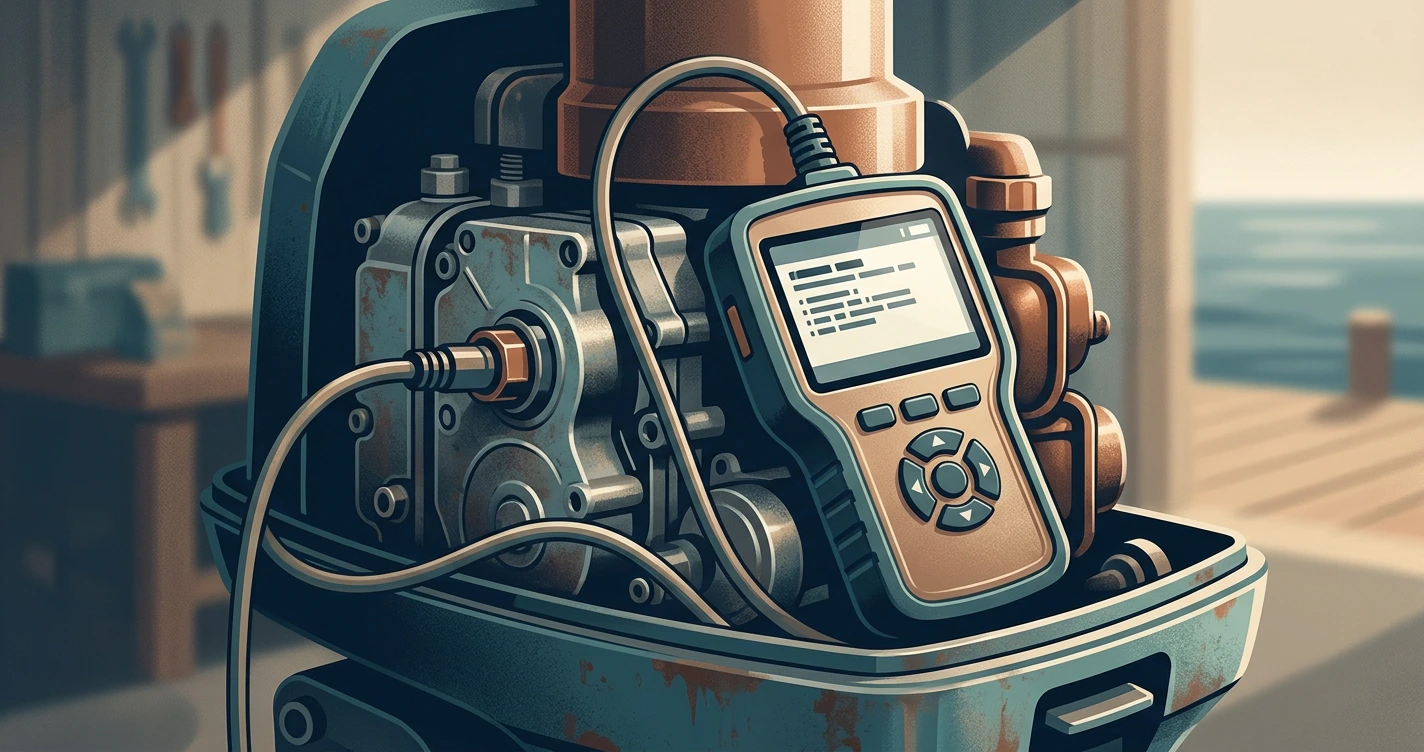
When your outboard stumbles, alarms, or drops power, marine engine diagnostics is how a technician figures out what is actually wrong. Instead of pulling parts one at a time and hoping, a pro connects a scan tool to the engine's computer, reads the stored fault codes and live sensor data, and follows the evidence to the real cause. That single step is the difference between a repair that lasts and a repair bill that keeps growing.
Modern outboards are far more computerized than most boaters realize. Under the cowling sits a small computer that watches dozens of readings every second. Understanding what it records, and how a shop reads it, helps you know what to expect when you bring your motor in.
What Modern Computerized Diagnostics Reveal About Your Engine
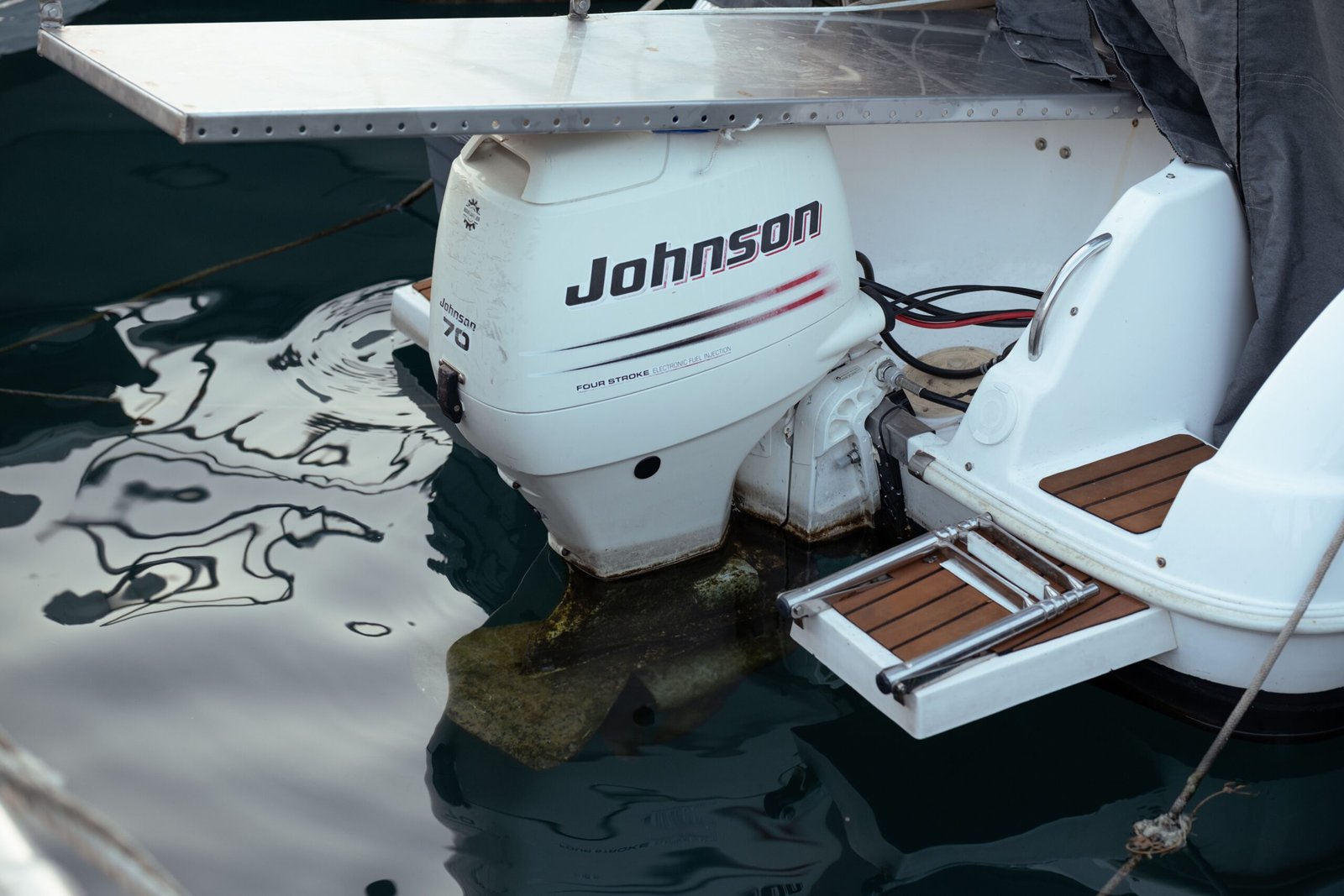
Almost every current outboard runs on an engine control unit, often called an ECU or ECM. It manages fuel injection, ignition timing, throttle position, and on many engines the trim and oil injection too. To do that job, it constantly reads sensors for RPM, coolant or cylinder temperature, fuel pressure, throttle angle, battery voltage, and more.
When a reading drifts outside the acceptable range, the computer stores a diagnostic trouble code and, in many cases, a snapshot of the conditions at that moment. A technician with the right tool can pull much more than the code itself:
- Live sensor values while the engine idles or revs
- Stored fault codes and how many times each occurred
- Total engine hours and running history
- Actuator tests, such as firing an injector or cutting a cylinder to isolate a miss
- Throttle and shift calibration data on digital control systems
Many engines report this information over the NMEA 2000 network that ties your electronics together, so basic warnings can appear right on your chartplotter. That is useful on the water, but a generic display usually shows only a warning, not the specific numeric code or the live data a shop needs. For that, technicians use brand software or a professional scan tool connected to the ECU directly. If your outboard is due for broader attention, this often pairs naturally with routine marine maintenance service.
Common Fault Codes and What They Mean
Fault codes vary by brand, but they tend to fall into a handful of familiar categories. Here is how the common ones map to real-world problems and how urgent each tends to be.
| Fault category | What it monitors | Typical causes | Urgency |
|---|---|---|---|
| Overheat / temperature | Coolant or cylinder head temp sensor | Blocked water intake, worn water pump impeller, stuck thermostat | Critical |
| Low oil pressure | Oil pressure switch, oil pump, level sensor | Low oil, failing pump, blocked passage, bad sensor | Critical |
| Crank / cam position | Engine timing and RPM signal | Failed sensor, wiring fault, trigger wheel damage | High |
| Throttle position sensor | Throttle angle and idle signal | Faulty sensor, corroded wiring, bad calibration | Medium |
| Knock sensor | Detonation or pre-ignition | Poor fuel, carbon buildup, overheating | Medium |
| Fuel / oxygen sensor | Air-fuel ratio, injector signal | Contaminated fuel, clogged injectors, water in fuel | Medium |
| Battery voltage | Charging system and supply | Weak battery, failing stator, loose connections | Low to medium |
One point matters more than any single code: a fault code names a system, not a verdict. A throttle position code, for example, can come from a failing sensor, corroded pins, or a wiring rub. Replacing the sensor without checking the harness just moves the money around. The same logic runs through most common outboard problems and fixes: the code is where the search starts, not where it ends.
Why Guesswork Costs More Than a Proper Diagnostic
Trial-and-error repair feels cheaper because the first part is inexpensive. The trouble is that engines rarely give up their secrets to a single guess. You buy the sensor, then the coil, then the fuel pump, and you still have the same stall. Every wrong swap adds parts, labor, and lost weekends on the water.
There is a safety cost too. Machinery failure is one of the most common reasons boaters need help at sea, and a small ignored fault can strand you far from the ramp. Diagnostics turn that risk into a plan: find the fault, confirm it, fix it once.
The stakes are real because the fleet is huge. The National Marine Manufacturers Association reports about 11.8 million registered and documented boats in the United States, roughly three-quarters of the total fleet, plus another 3.6 million that are not registered. That is a lot of engines depending on accurate service. You can see the figures in the NMMA boat registration report. With that many motors on the water, the shops that stay ahead are the ones that diagnose before they wrench.
Our Diagnostic Workflow From Scan to Solution
At Aquamarine Outboard, our factory-trained technicians follow a repeatable process so nothing gets skipped. It looks like this.
- Interview and inspection. We start by asking what happened and when. Does it stall hot or cold? Under load or at idle? Then we do a visual check for corrosion, chafed wiring, fuel condition, and water intrusion.
- Full computer scan. We connect to the ECU and pull every stored code, the occurrence counts, and any freeze-frame data. Codes get us pointed in the right direction fast.
- Live data review. With the engine running, we watch the sensors the codes flagged. A temperature reading that spikes, a fuel pressure that sags under throttle, a throttle signal that jumps, each one narrows the field.
- Confirm the root cause. Before any part comes off, we verify. That can mean back-probing a connector, running an actuator test, or checking a sensor against a known good value. This is the step guesswork skips.
- Repair and re-test. We fix the confirmed fault, clear the codes, and run the engine again to make sure the code stays gone and the live data looks healthy.
That last verification step is where a real diagnostic pays for itself. Clearing a code without confirming the fix just resets the clock on the same breakdown. Our approach is the same whether you bring the boat to us in San Francisco or book local boat motor service for a seasonal checkup.
When to Schedule a Diagnostic Check
You do not need a warning light to benefit from a scan, though a light is a clear signal. Consider a diagnostic in these situations:
- An alarm sounds or a warning appears on your gauge or chartplotter
- The engine is hard to start, stalls, misses, or loses power
- Fuel economy drops or the motor runs rough at idle
- Before a long run, an offshore fishing trip, or the start of the season
- Before you buy a used outboard, so you know what you are getting
- As part of annual service, to catch small faults before they grow
Timing helps here too. If the motor has been sitting through the cold months, a diagnostic pairs well with spring commissioning and any winterization steps you handled in the fall. A quick scan confirms everything woke up correctly before you trust it in open water.
Book a Marine Engine Diagnostic
A proper diagnostic scan usually costs less than a single wrong part swap, and it buys you something more valuable: confidence that the engine will start when you turn the key and run when you push the throttle. If your outboard is throwing codes, running rough, or just due for a checkup, our factory-trained team can find the real problem and fix it right the first time.
Request a diagnostic quote or book service with Aquamarine Outboard today, and get back on the water knowing exactly what your engine is doing under the cowling.
Shop Aquamarine Outboard
All outboard motors for sale · Book a service · Parts & accessories
Related guides
Frequently asked questions
What is marine engine diagnostics?
It is the process of connecting a scan tool to your outboard's engine control unit to read stored fault codes and live sensor data. That information tells a technician which system is misbehaving and why.
Can I read outboard fault codes myself?
Some newer engines flash basic warnings to a compatible gauge or chartplotter, but reading specific numeric codes and live data usually requires brand software or a professional scan tool. A code also needs interpretation, since one code rarely tells the whole story.
How often should I get a diagnostic check?
Schedule one any time a warning light or alarm appears, before a long or offshore trip, before buying a used outboard, and as part of annual service. Catching a problem early is far cheaper than a failure at sea.
Does a fault code mean I need a new part?
Not always. A code shows which sensor or system reported a problem, but corrosion, loose wiring, bad fuel, or a failing sensor can all trigger the same code. A technician confirms the cause before replacing anything.
